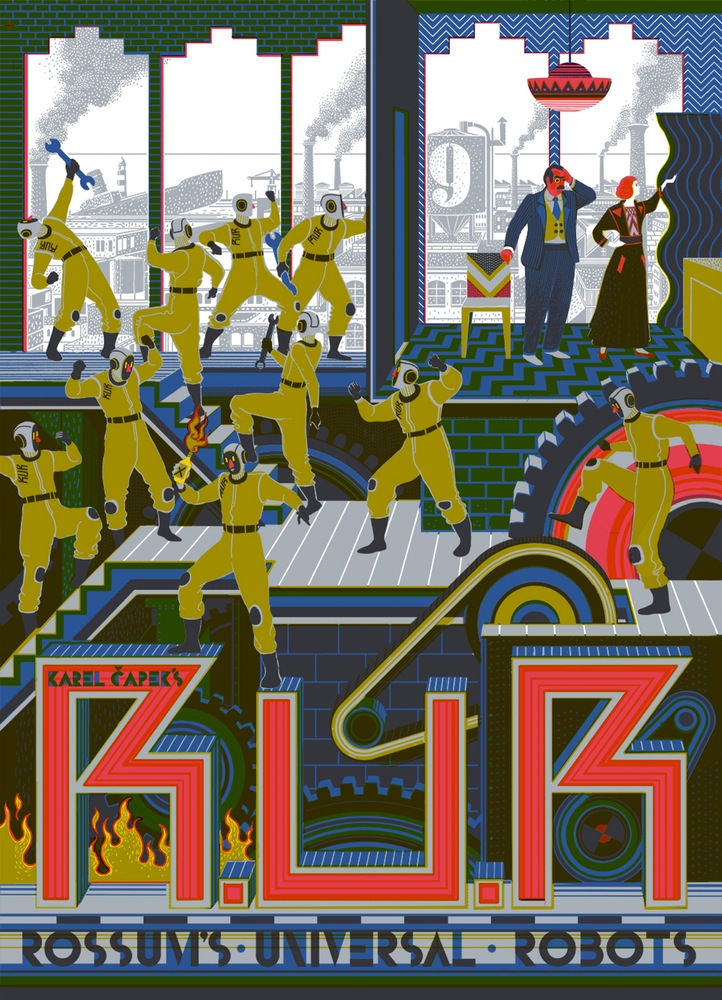
Here’s a beautiful thought: Karel Capek and Franz Kafka were drinking buddies in Prague, two of the greatest contributors to literary modernism in such distinctive ways.
In case you didn’t know, Capek’s 1920 play R.U.R. is the first appearance of the word “Robot,” which comes from the Czech, and is pretty much the OG rise of the machines story. The first act of three is played broadly for laughs, a parody of contemporary movie melodramas. We’re at Rossum’s robot factory complex set on a remote island. Initially we get some corporate espionage, where Helena Glory infiltrates the island, causes some discord, and marries the boss.
The robots themselves are fascinating. They are not really mechanical people or androids but assembled organisms, not unlike replicants in Philip K. Dick. They’re kneaded out of dough, their nervous system and entrails are wound up–we don’t have Fordist conveyor belts or a Taylorist quota system. Robot production has a distinct handicraft character to it, even as it runs along the track of an imperialist monopoly firm.
One of Kafka’s late parables says that it was laziness that got humanity kicked out of Eden, and it is laziness that will keep them out. The revolt of the robots (with a League and a Manifesto) in this play suggests that work and toil all along was the Eden; that productive activity is simply part of our internal nature, which has been alienated since these gigantic productive forces have started to administer the world—real Horkheimer and Adorno stuff.
Spoilers. The robots triumph, humankind is extinct, and the robots evolve to become more than human. Though they are missing Rossum’s blueprints for robotkind that would allow them to reproduce. As an SF reader, it’s a weak story point; if one person discovered it someone else can. But it has a nice mystical tinge, like the script that brings the golem to life.
#
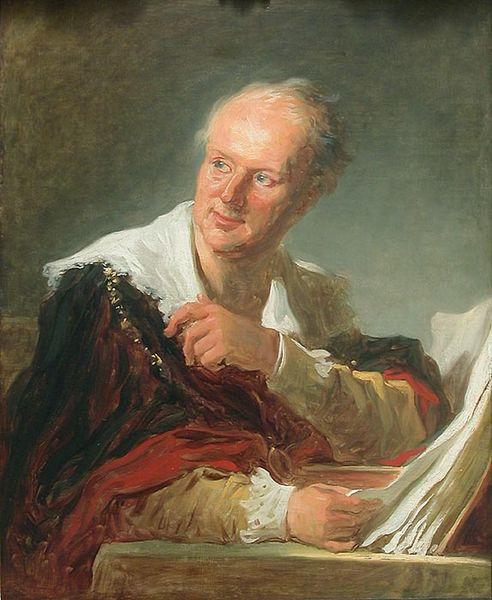
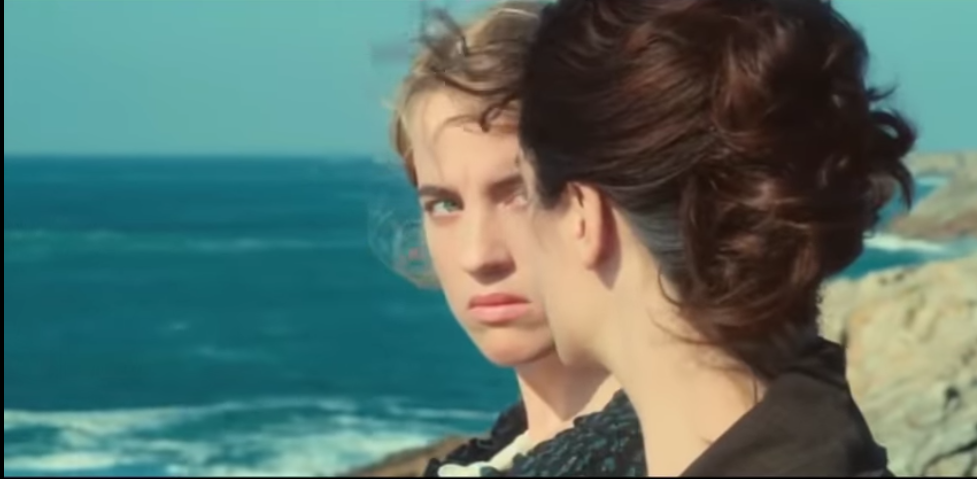
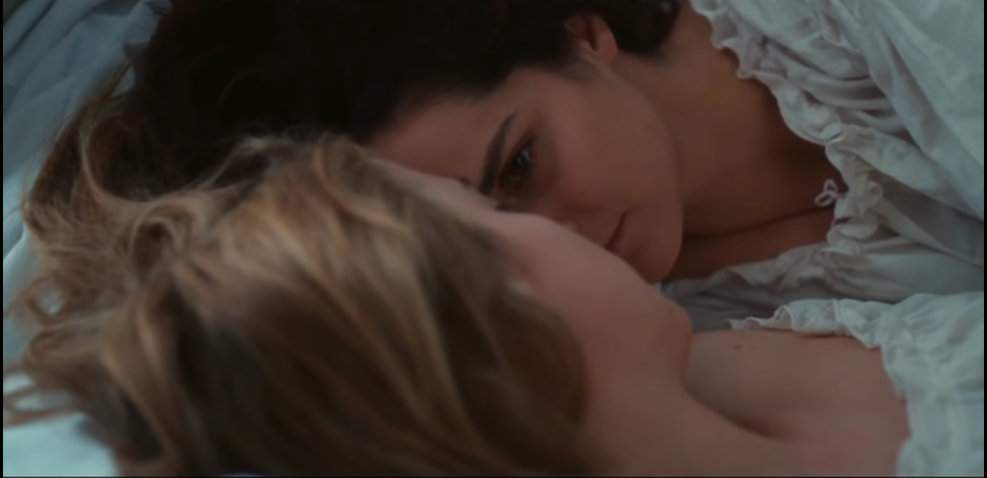
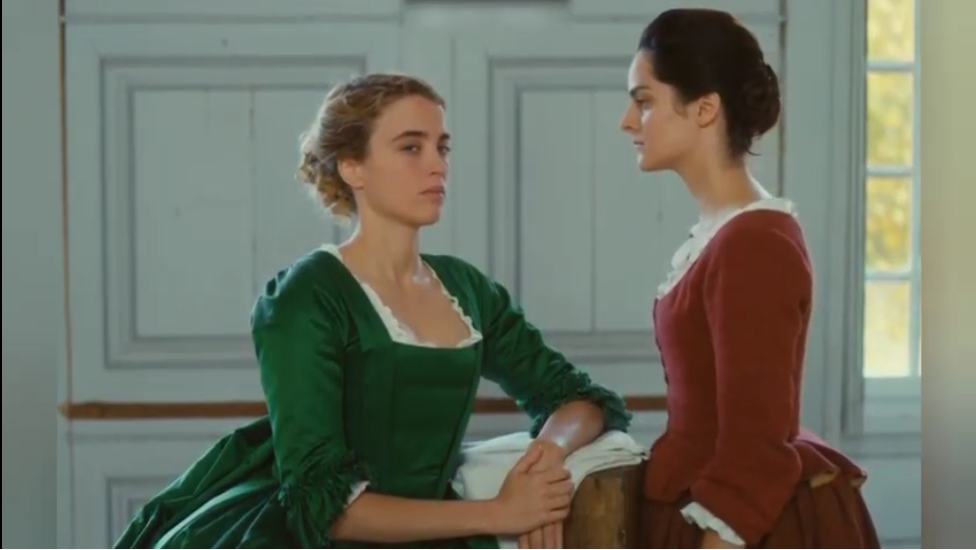
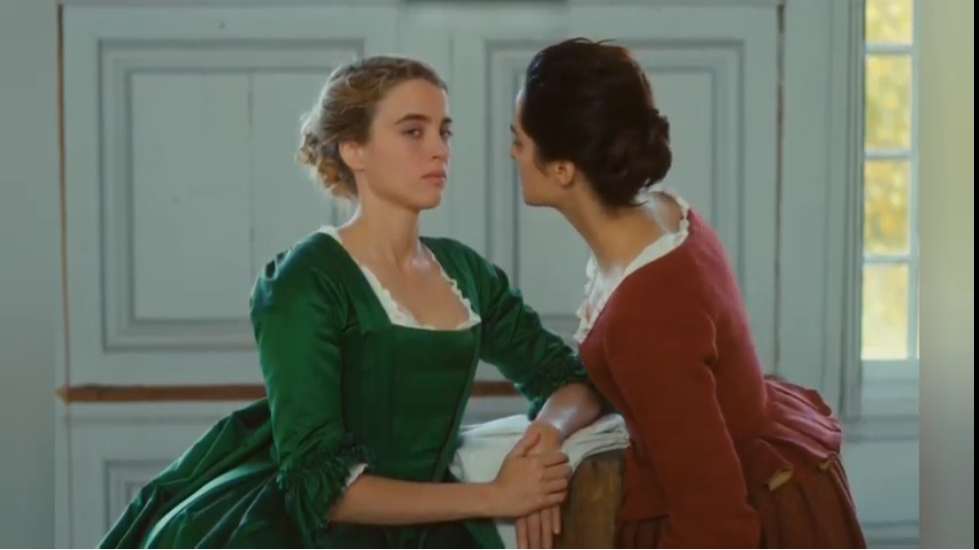
Having watched PORTRAIT OF A LADY ON FIRE and having read JACQUES THE FATALIST by Denis Diderot over the six days proceeding that momentous experience in the cinema, I have turned instant francophile—again.
Seriously, both Sciamma’s film and this quintessential novel of Enlightenment have an intellectually sumptuous quality: a direct and unapologetic paean to the harmony of freedom and dignity, of reason and passion.
Stylistically the book has no rules, it seems to randomly go back and forth from prose text to play text, and it will even switch to present tense for action scenes. It’s dialog driven, like MIST by Miguel de Unamuno which I read in January, but in the latter novel speech and dialog are foregrounded as the fundamental way to reach a construction or understanding of self. In JACQUES the focus is more on the political dimension of “dialogical” novels, the striving for democracy.
In its blunt way it’s more of an anti-novel than anything Robbe-Grillet could do:
How had they met? By chance, like everybody else. What were their names? What’s it to you? Where were they coming from? From the nearest place. Where were they going? Does anyone really know where they’re going? What were they saying? The Master wasn’t saying anything, and Jacques was saying that his Captain used to say that everything that happens to us here below, for good and for ill, was written up there, on high.
The “plot” is that Jacques and his Master/literary foil want to share their love stories with and get love stories out of each other, but mishaps and distractions keep happening: there are other stories to tell and everyone else they run into has their own story. Many of these stories involve doubles. Even the narrator is divided, so that it openly refuses to narrate this novel like a conventional romantic or gothic affair.
What couldn’t I make of this episode if the fancy took me to reduce you to tears! I’d make the woman someone important: I’d make her the niece of the curé of the nearest village, I’d rouse all the men in the parish, I’d get ready to show lots of fighting and sex, for, truth to tell, the girl was very shapely under those nether garments, as Jacques and his Master had noticed. Love never wanted a better opportunity! Why shouldn’t Jacques fall in love a second time? Why shouldn’t he turn out a second time to be the rival—even the preferred rival—of his Master?
You mean it has happened once already?
You’re always asking questions! Don’t you want Jacques to go on with the tale of his loves?
PORTRAIT OF A LADY left me convinced that its setting—three women of three classes on a private island (Capek is on this Utopian/satirical social experiment wavelength as well) on the Brittany coast at the end of the 18th century—is where deep sexual love between two equals can come into full flower. (And the banter and occasional drama between Jacques and his passive Master is intoxicating in its own way.) It’s that notion of freedom, that principle whose development is the upshot of capitalism’s expansion. We buy and sell as equals on paper. This is not the age for following someone else’s rule set. Religion is part of this world but neither text is focused on faith or sin as impulses or obstacles; it’s really about consciousness and understanding the world around you and dealing with life’s cruel ironies.
#
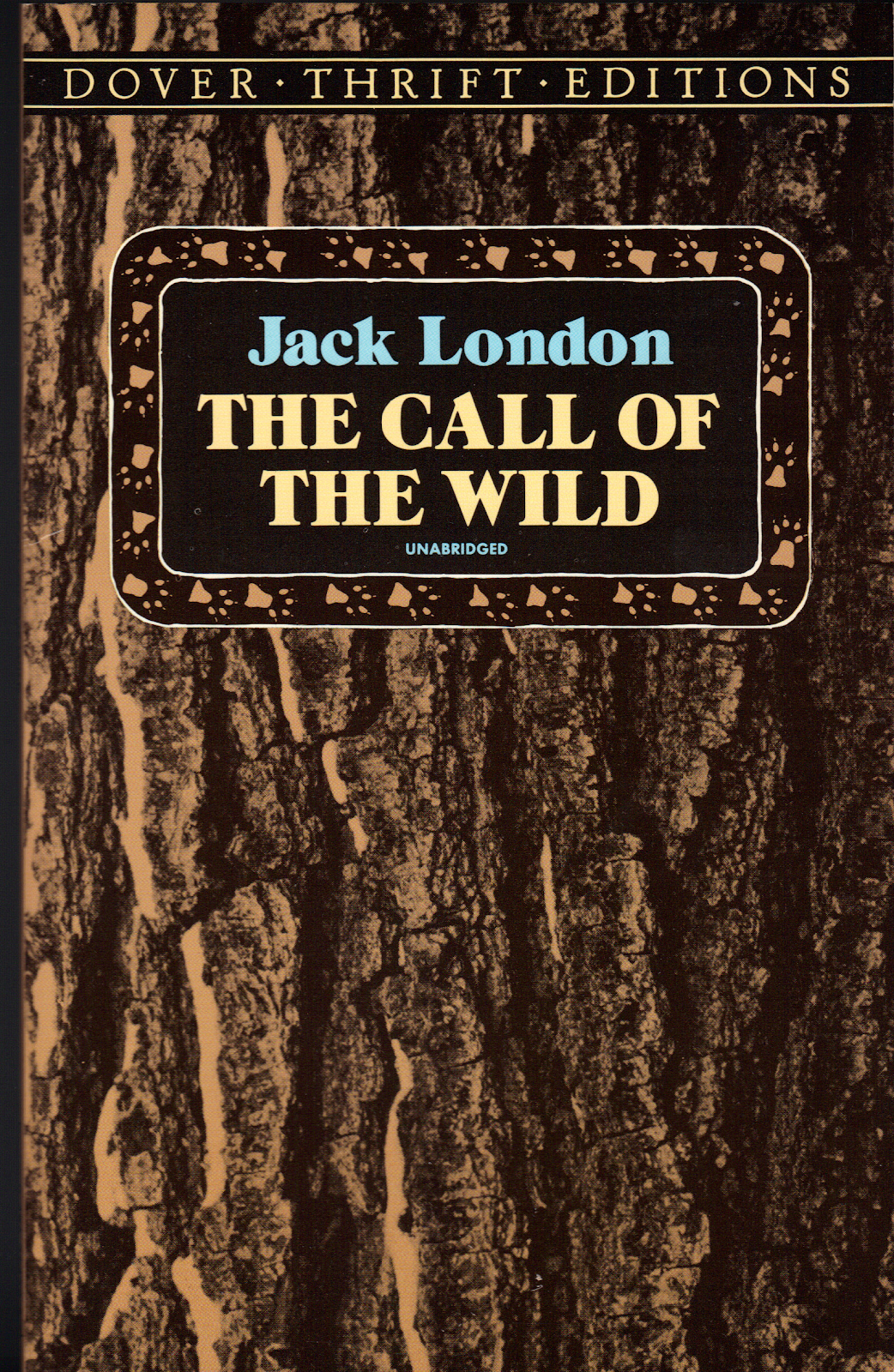
Because it happens to be on my shelf and because I’ve thought about reading more novels that are currently being adapted into movies this year, I read THE CALL OF THE WILD by Jack London and it’s a fine episodic adventure story. Shame about the movie’s bloated VFX, going by the trailer—suppose it could have been traditionally animated, the first from 20th Century in 20 years! Then Buck’s exaggerated animations and snap poses might have made sense. As it is, now that 20th Century Fox has been devoured by the Mouse, it appears it may be an outlet for Disney’s live action productions that seem to provide what the older conception of blockbusters used to offer but inevitably wind up so off-putting.
As with everything else of London that I’ve read, the phonetic dialog was rough going but otherwise his style is heavy yet tight. There is some vicious dog fighting and dog abuse going on in here, and London chooses great, heartrending moments to go subjunctive, so that in the single process of a battered and overworked sled dog dragging himself to his spot on the pull team, he uses “would” to describe it in all these specific ways; like little time portraits of ragged misery.
Reading for the movies would be a great excuse to revisit Austen’s EMMA, and some H.G. Wells classics. But the prospect of reading things like DUNE and JCO’s BLONDE is daunting, even this early in the year.
#
As for non-fiction books, I read quite a few about economics and the workplace. I did *not* read CRASHED by Adam Tooze, a long work of economic history after the 2008 crash, which has sparked a lot of discussion, from the Financial Times to Perry Anderson in the NLR.
But for an assessment of the Great Recession, I can recommend THE LONG DEPRESSION by Michael Roberts. Roberts is a Trotskyist, seems to have been an autodidact, without an academic background in econ, and subscribes to the Kondratiev long cycle theory, which is a bit crankish. But he is a committed supporter of Marx’s law of profitability and its tendency to fall as the organic composition of capital rises—THE LONG DEPRESSION substantiates this with a lot of current empirical data. This book is a very concrete explanation of how the last crisis happened, why it should be considered a depression like the ones in the mid 20th century and the late 19th century, and why crisis is an intrinsic part of the capitalist mode of production.
Even when stock markets fluctuate or bottom out (and the Coronavirus panic has triggered a steep drop reminiscent of the financial meltdown), the ultimate low-lying tie to the production sector is the key. Falling profitability means finance capital won’t invest in new productive forces because the returns are not worth the risk in an economy that has so much overhanging debt. So they hoard their savings or gamble at the stock market. Which is why world capitalism skates by on bubbles of fictitious capital. The economy is pretty good on the immediate short term for businesses, but the world capitalist system’s growth is contracting. There is a great takedown of Keynesianism in this book too.
Meanwhile, student activists are watching the grad student strike wave taking place at UC in these weeks. I have already noticed ideas and rhetoric being voiced that follow from anti-work theory and politics. THE PROBLEM OF WORK by Kathi Weeks, almost 10 years old, has become surprisingly relevant again, with its discussion of universal income (proposed by the Nixon administration!) and workplace despotism. It retreads a lot of classic economistic deviations, from the Autonomist movement to Federici’s wages for housework campaign. Weeks’s reading is insightful for framing the resurgence of utopian socialism (a future with no work and all Individual flourishing, a nation of Oscar Wildes) as a third way escape from the debates of the second international, between revolutionary Bolshevism and evolutionary Bernsteinism.


 Second Slope